






Land development involves not just architectural plans and financial strategies but also a deep understanding of the land’s environmental condition. This aspect is vital not only for legal compliance, but is essential when looking to secure funding for your project. For this reason, you need to start with a Phase 1 Environmental Report. This essentially is a detailed investigation conducted to identify potential or existing environmental contamination liabilities. It’s not unlike a background or credit check. However for properties, it’s to ensure that the land is free from environmental hazards that could pose financial or legal challenges in the future.
For borrowers, a Phase 1 Environmental Report is crucial in making an informed decision about a property’s viability and planning for potential costs. For lenders, these reports safeguard against funding a property that may harbor hidden environmental liabilities, which could affect its value and the borrower’s ability to repay the loan.
Phase 1 Environmental Reports often uncover issues like soil contamination from hazardous materials, which could be remnants of prior industrial or commercial use of the land. Common culprits include former gas stations, dry cleaners, or manufacturing facilities. Identifying these problems early on is crucial to mitigate costly remediation later.
If the report indicates potential environmental risks, lenders might require further investigation or reassess the loan terms. The goal is to minimize the risk of financing a contaminated property, which could lead to costly cleanups or legal complications.
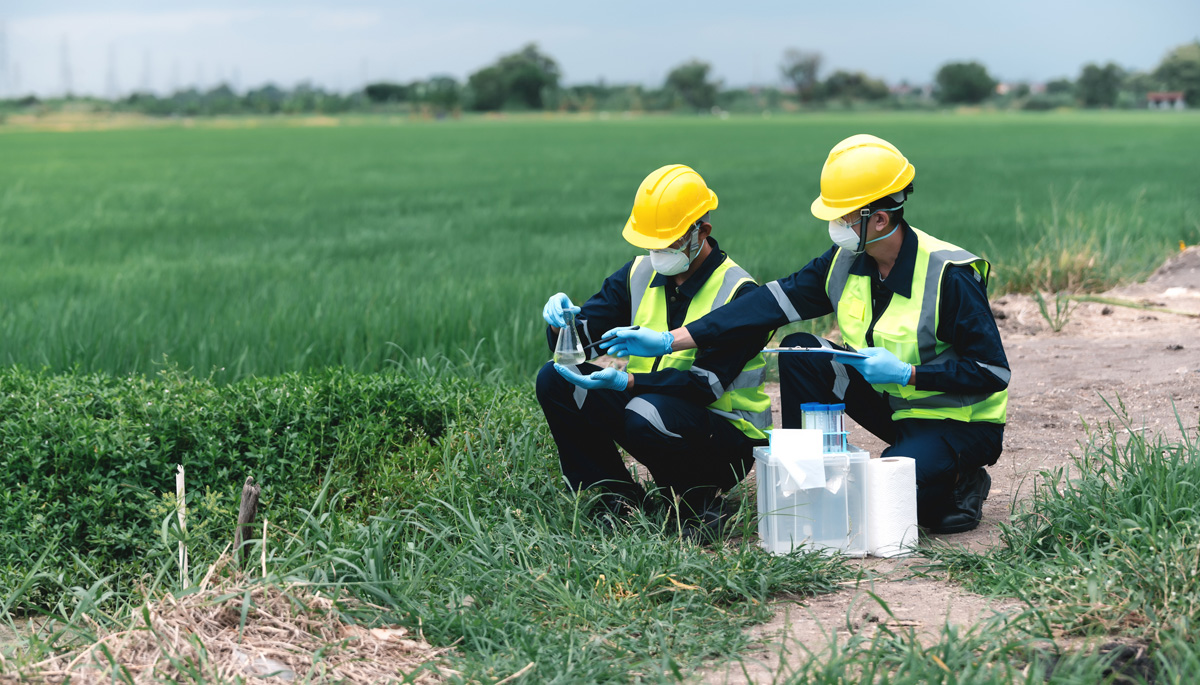
These environmental assessments are typically performed by specialized firms with expertise in environmental engineering. In cases where contamination is detected, the remediation costs can escalate significantly. These third-party firms not only conduct thorough investigations but also guide land developers in complying with environmental regulations and formulating remediation plans if necessary. They play a pivotal role in ensuring that the land development proceeds in an environmentally responsible and legally compliant manner.
At the end of the day, Phase 1 Environmental Reports are not just a bureaucratic requirement but a fundamental step in the responsible development of land and to ensure a loan can close with a private lender. They protect the financial interests of both borrowers and lenders and ensure that the environmental integrity of the land is maintained.

 Loading ...